_edited.jpg)
Essential Guide to Tackling Common Paver Problems: Weeds, Stains, and Settling Issues
Paver patios and walkways add charm and functionality to any outdoor space. Yet, over time, common problems like weeds, settling, and stains can spoil their appearance and safety. These issues often frustrate homeowners who want their pavers to look neat and last for years. This guide explains why these problems happen and offers practical solutions to fix them effectively. Whether you’re dealing with stubborn weeds sprouting between stones or uneven surfaces from settling, you’ll find clear advice to restore your pavers and keep them looking great.
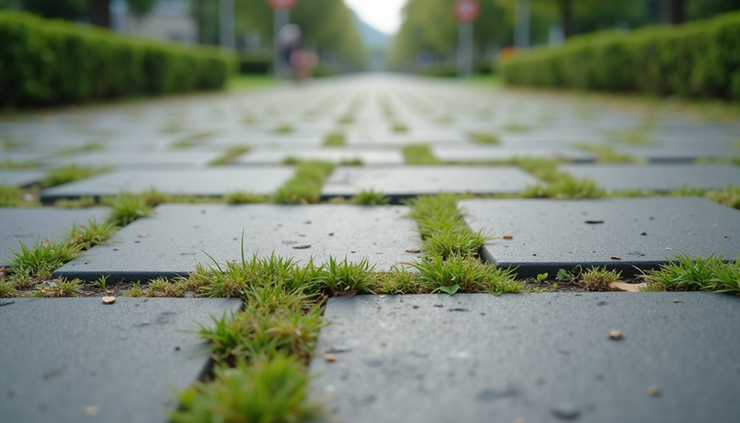
Why Weeds Grow Between Pavers and How to Prevent Them
Weeds thrive in the narrow gaps between pavers because these spaces collect dirt, moisture, and organic debris—ideal conditions for seeds to sprout. Wind and birds often carry weed seeds that settle in these joints. Once established, weeds can push pavers apart and create an uneven surface.
Best Ways to Prevent Weeds Long-Term
Use polymeric sand instead of regular sand to fill joints. This special sand hardens when wet, creating a barrier that blocks weed growth.
Apply a weed barrier fabric beneath the pavers during installation. This fabric stops weeds from growing up through the base.
Regularly sweep and clean the paver surface to remove dirt and organic matter where seeds can take root.
Use natural weed killers like vinegar or boiling water on small patches to avoid harsh chemicals.
Seal the pavers with a quality sealant to reduce moisture absorption and make it harder for weeds to grow.
Causes of Paver Settling and Uneven Surfaces
Paver settling happens when the base beneath the stones shifts or compacts unevenly. This can create low spots, trip hazards, and drainage problems. Common causes include:
Poor base preparation with inadequate compaction
Heavy foot or vehicle traffic without proper reinforcement
Soil erosion or water pooling under the pavers
Tree roots growing beneath the surface
How to Repair Settled Pavers Correctly
Lift the affected pavers carefully using a flat tool.
Add or adjust the base material such as crushed stone or sand to level the area.
Compact the base firmly to prevent future shifting.
Replace the pavers and refill the joints with polymeric sand.
Check drainage around the area to prevent water accumulation.
If large areas have settled or the base is unstable, consider consulting a professional for a more thorough repair.
How to Remove Paver Stains Without Damaging the Surface
Paver stains can come from oil spills, rust, algae, or dirt buildup. Removing these stains requires care to avoid damaging the paver surface or color.
Stain Removal Tips
Oil stains: Use a degreaser made for stone surfaces or a mixture of baking soda and dish soap. Apply, scrub gently with a brush, then rinse.
Rust stains: Apply a commercial rust remover designed for masonry. Test on a small area first to ensure it doesn’t discolor the pavers.
Algae and moss: Use a diluted bleach solution or a specialized algae cleaner. Scrub lightly and rinse thoroughly.
General dirt and grime: Pressure washing on a low setting can clean the surface without harming the pavers.
Always wear gloves and follow product instructions. Avoid acidic cleaners that can etch or dull the paver finish.
When to Repair vs. Replace Pavers
Deciding whether to repair or replace pavers depends on the extent of damage and your long-term goals.
Repair pavers if the issues are localized, such as small stains, minor settling, or a few weeds.
Replace pavers if large sections are cracked, severely uneven, or if the base is failing extensively.
A design consultation can help identify underlying problems and recommend solutions that prevent repeat issues. This might include improving drainage, upgrading the base, or selecting different paver materials.
Common Paver Problems at a Glance
Weeds growing between joints
Uneven or sunken pavers from settling
Stains from oil, rust, algae, or dirt
Shifting or loose pavers
Cracked or broken stones
Poor drainage causing water pooling
Paver Weeds
Weeds not only look unsightly but can damage the structure by pushing pavers apart. Regular maintenance and proper installation techniques reduce weed growth. Using polymeric sand and sealing pavers are effective long-term strategies.
Paver Settling
Uneven surfaces from settling create safety hazards and drainage issues. Proper base preparation with compacted crushed stone and sand is essential. Repair involves lifting pavers, leveling the base, and resetting stones.
Paver Stain Removal
Different stains require specific treatments. Oil stains respond well to degreasers, rust needs rust removers, and algae can be cleaned with diluted bleach solutions. Avoid harsh chemicals that damage paver surfaces.
Paver Repair
Small repairs like replacing a few pavers or refilling joints can extend the life of your patio or walkway. For larger problems, professional help ensures the base and drainage are addressed to prevent future damage.


Comments